QuickBooks Business Bookkeeping CleanupDoes this file match one company
Steven Palmieri, Tax CFO and the Entrepreneur's CFO, counts the legal names for owners who want that count and the return from the same practice, as the alternative to a signature they do not need.
A class named like an LLC is a shortcut that aged. The formation papers, not the class list, say how many companies are really there.
Payday is set up per company with a provider you run. We do not run the paydays.
Count the names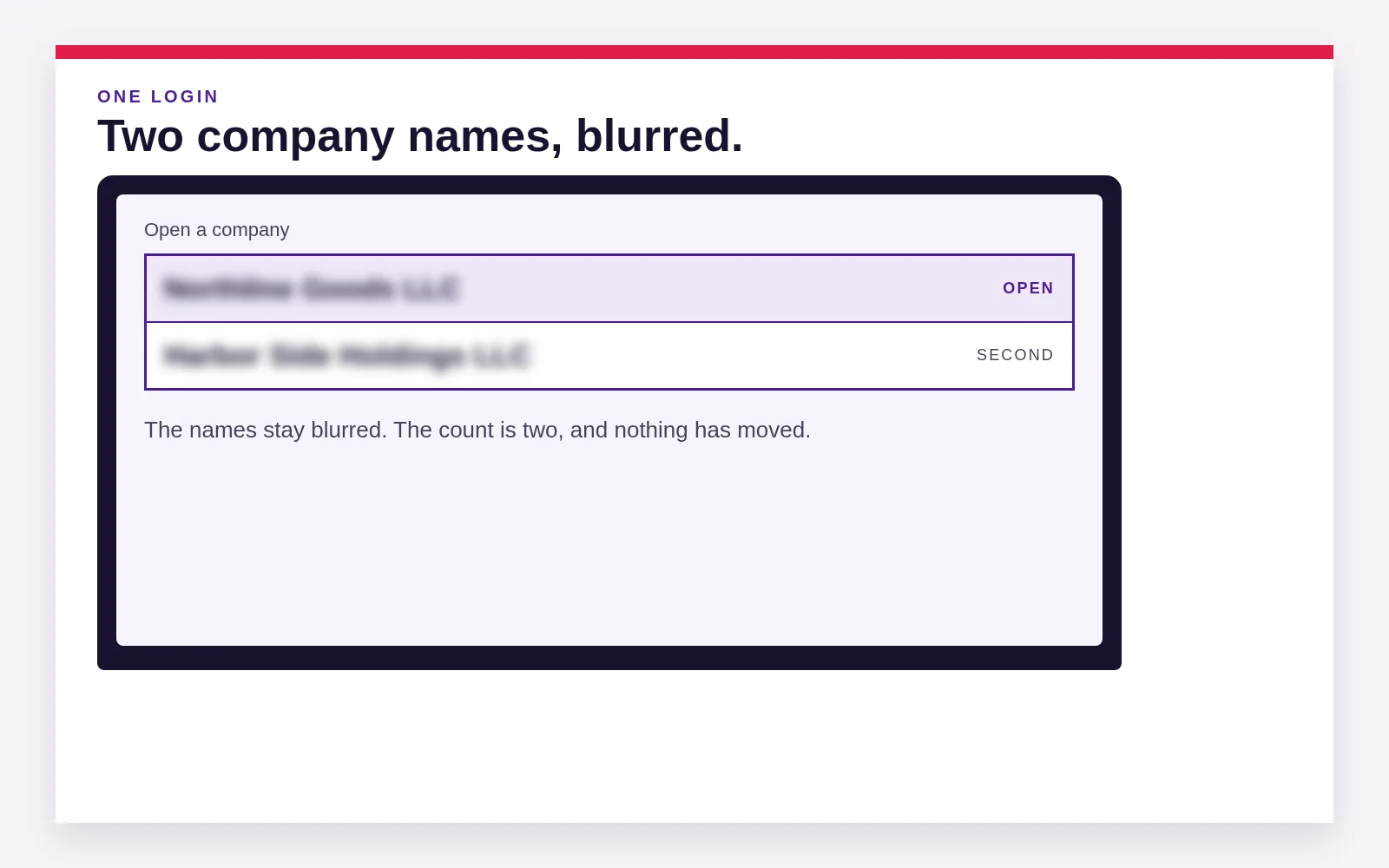
Count the legal names
The practice meets the owner on a video call, and the close lands on the same day every month once the legal names in the login are written down.

You will be talking to the Steven Palmieri practice.
The Tax CFO way.
Legal names already in the login are the accountant part. Whether that login stays one file or splits is the Tax CFO part. Papers and a filed year keep that choice honest.
Name the next file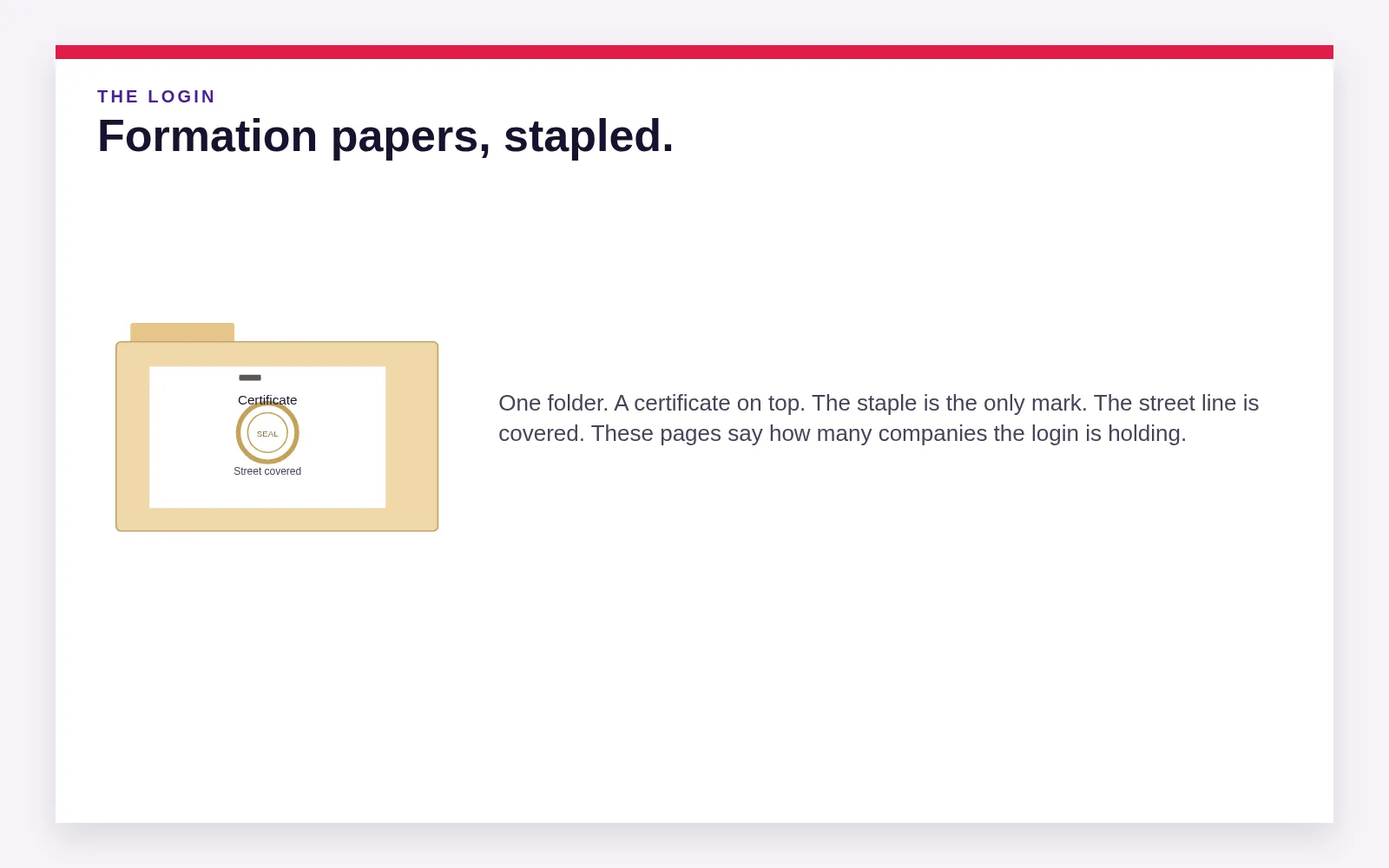
The login
Two companies sharing one login look fine until a lender or the return asks which deposit belongs to whom. The count comes first, before anyone recodes a line.
Click to read the shape ›Tap to read the shape ›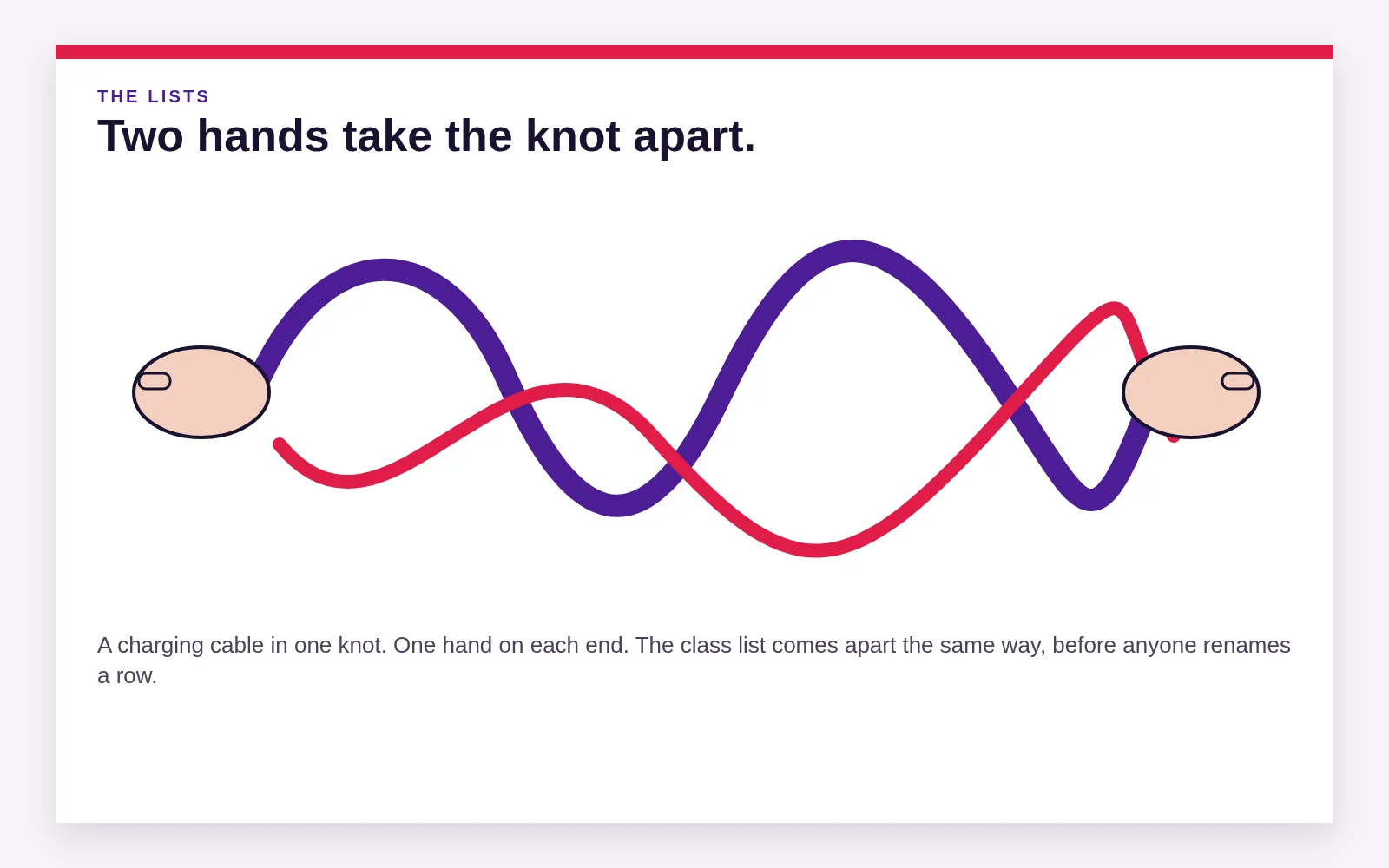
The lists
A class named like a company is a shortcut that aged. The papers say how many companies there are, and the list only remembers a sort.
Click to separate the lists ›Tap to separate the lists ›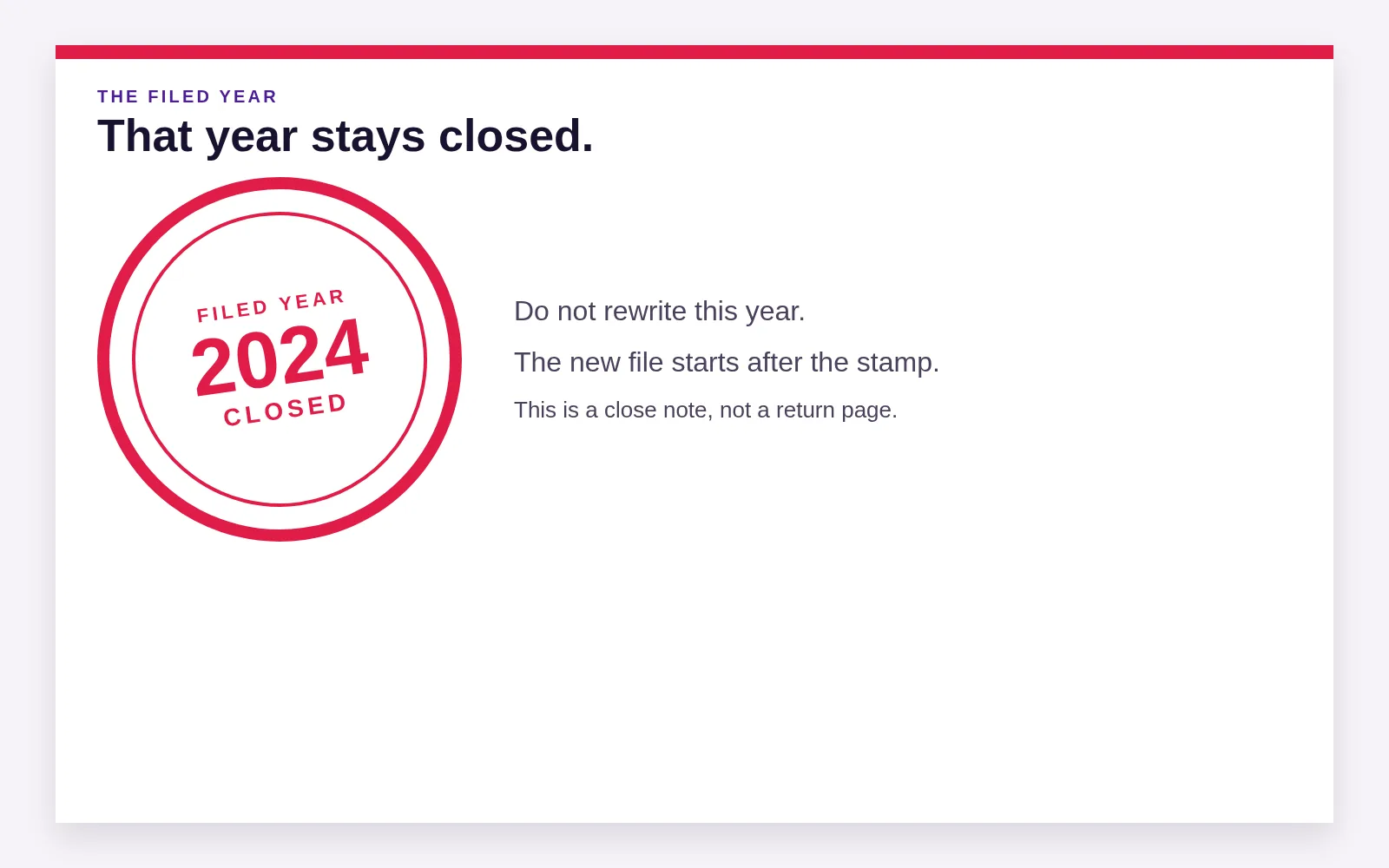
The filed year
A year already filed stays on its own side of the file. We split forward from that year, and we do not rewrite it.
Click to see the year ›Tap to see the year ›The election
Disregarded, partnership, or S status is the question that comes before a second file is born.
Click to ask the election ›Tap to ask the election ›
Two files
A new file can start on a day you name. The old year does not move with it.
Click to see the split ›Tap to see the split ›Each close
Each company can close on its own day, the same day every month, and the statement from that day can be handed over without a speech.
Click to see the close ›Tap to see the close ›Six rows before a second file
Open a row. The note says what that list is allowed to do.
1Legal names
Formation papers name the companies. A login can hold more names than the owner remembers.
We write the names down before anyone renames a class or opens a second file.
2Class rows
A class can slice departments inside one company. It cannot file a second return.
We read the class names against the legal names and say which rows are pretending.
3Place lists
A location is a place the company works. It is not a stand-in for a second taxpayer.
We keep the place list and the class list in two different conversations.
4Item names
Items named like rent or fuel mean the chart was skipped and the item list became a second chart.
We ask for the item names. An item edit can wait until the companies are counted.
5The election
Disregarded, partnership, or S status is asked before a new file, a class rename, or a merge.
The election stays your statement. We ask for it, or for the gap.
6Filed year
A year already sent stays in the file that sent it, with a closing date. The new file starts on a day you name.
We will not pour a filed year into an open year to make the login look tidy.
The same person who counts the companies also prepares the return. Steven Palmieri works as Tax CFO and as the Entrepreneur's CFO, and each company keeps its own close.
Send the count you have
Name the companies, or say you are not sure. The reply starts with that count.
You will be talking to the Steven Palmieri practice.
Three questions before anything moves
The file can feel like a junk drawer. The way out is a count, not a night of recoding. How many legal names are on the formation papers. What the classes are standing in for. What the item list has become.
Picture two LLCs in one login. Each class carries one of the names. Nothing in the picture has been moved, and no dollar is attached. The file can be made to match the papers, or it can be kept, on purpose, once the election of each company is known.
A lender can read one company's statements. A mixed file produces a mixed report. If a statement is prepared here, it says that no assurance is given. Owners who want the statute cites will find them on the disclosures page.
What this cleanup will not merge
A merge is refused when it would pour two legal names together, pour a filed year into an open year, or pour a class list into a product list just to tidy. Tell us which merge someone advised. We will say whether the file should stay one, or become two, and we will name the day a second file would start.
Once each company has its own file, each file closes on a day you pick, the same day every month. You can ask for both months, or only the company that was split out. Payday setup can be done per company. You run each payday.
What the count changes
Counting the names is what sets the sequence. While the login holds one legal name, classes can stay and the chart can be repaired. While it holds two, the election of each name is written down, a filed year is fenced, and only then does a second file start on a day you name.
A lender reading a mixed statement is reading a blend. We will not hand that blend over as if it were one company. If a statement is prepared here, the note that travels with it says that no assurance is given. Statute numbers live on the disclosures page, under the heading about where the count stops.
You can send the class names as plain text. You can send a photo of the formation pages with the street covered. The password can wait. The bank feed can wait. The first reply is the count, or the sentence that says the count is still a gap.
Some owners arrive sure they need a second file, and the papers show one company with two departments. Keeping the file is the right answer then, and we will say so. The work is the chart, the items that wandered, and a close day that does not move. A second subscription would only hide the same company under a new icon.
Other owners arrive sure one file is simpler, and the papers show two elections and a year already filed. Simpler is the wrong direction. The shared login can remain for a short bridge while you can still read each company. It cannot remain once a return or a buyer needs one of them alone.
Picture the login open on the kitchen table after the shop has closed, two names in the dropdown, and a notice that asks for one company. That is the moment the count earns its place. The papers sit beside the screen. Nothing moves until the names are written down, and the reply can start from that page alone. A mixed file can look tidy in the software and still be two taxpayers the moment someone asks for one of them.